
Reporting: The KAPOL COMMUNITY News Desk “Art, Culture, and Our Pride”
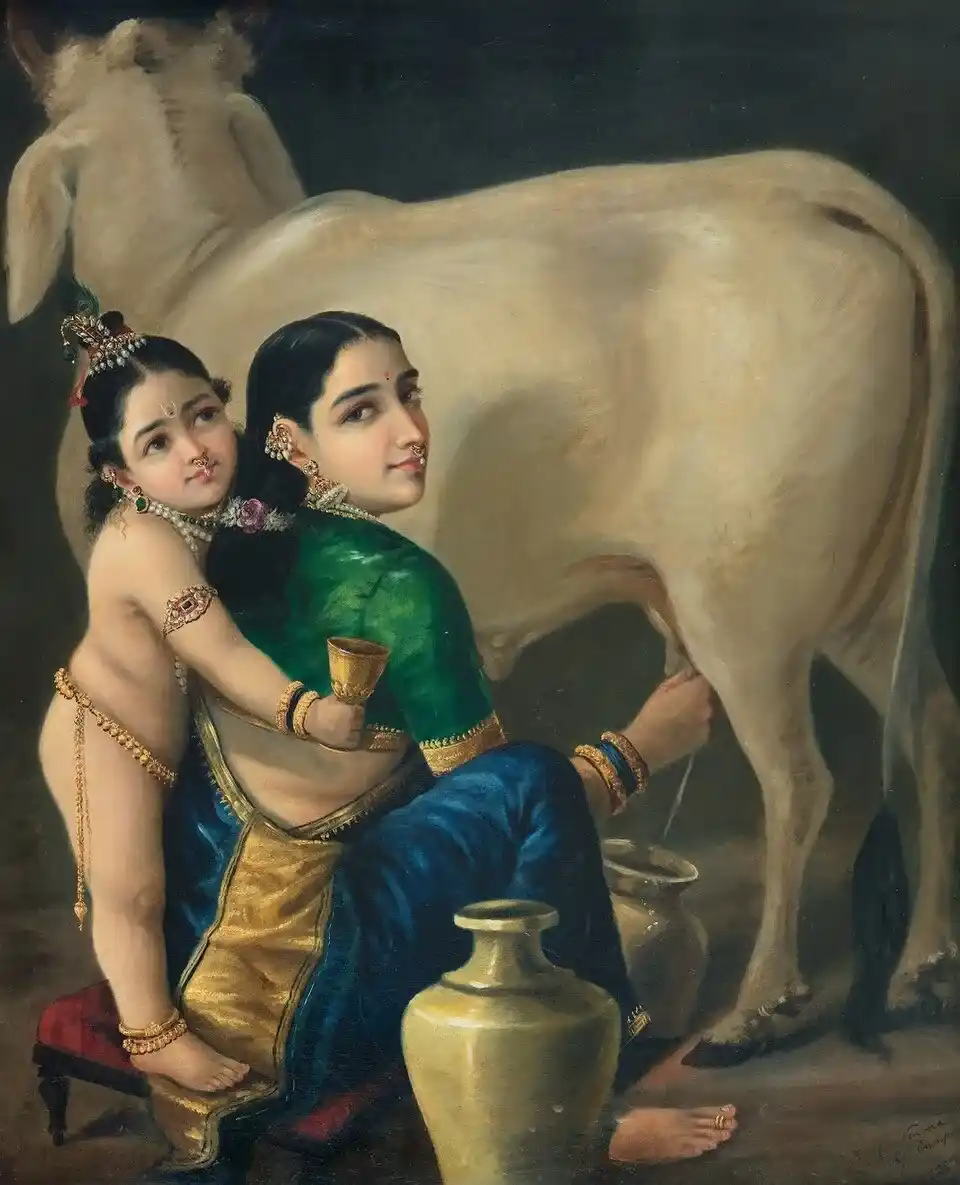
NEW DELHI / MUMBAI — A historic milestone was reached as Raja Ravi Varma’s iconic oil painting ‘Yashoda and Krishna’ sold for a record ₹167.2 crore ($17.9 million) at the Saffronart Spring Auction. This sale marks the highest price ever fetched by an Indian artwork, surpassing previous records by 40%. Beyond the Mona Lisa: Why It’s Finally Time for the World to Focus on Indian Art
The Acquisition and Public Legacy
The masterpiece was purchased by billionaire Cyrus Poonawalla, Chairman of the Serum Institute of India. Recognizing it as a “National Art Treasure,” Mr. Poonawalla pledged to make the painting available for periodic public viewing, ensuring this cultural gem remains accessible to the nation.
Kapol Community: Guardians of Heritage
A significant highlight of this elite auction was the active participation of a prominent and leading industrialist from the Kapol Community. While the painting was ultimately secured by Mr. Poonawalla, the Kapol leader’s involvement in such a high-stakes global bidding war underscores the community’s long-standing devotion to preserving India’s cultural and artistic legacy.
“This participation serves as a testament to the Kapol community’s leadership not only in trade and industry but also as esteemed patrons of national heritage.”
The Historical and Social Context
Raja Ravi Varma is widely recognized for modernizing Indian art by blending European techniques with Indian mythological subjects. Beyond its aesthetic value, his work played a historical role in social accessibility. By establishing a lithographic press in Mumbai, he mass-produced affordable prints, allowing divine imagery to enter households across all social strata during a period when temple access was often restricted.
The record-breaking sale reflects a growing global and domestic demand for Indian Asian art, positioning classical Indian works alongside the world’s most recognized masterpieces.
The Revolution of Devotion: Bringing Gods to Every Home
Raja Ravi Varma’s contribution goes far beyond aesthetics; it was a social revolution. During an era of deep-seated caste discrimination where temple entry was restricted for many, Varma used his canvas to democratize divinity.
By painting deities like Saraswati, Lakshmi, and Krishna in a beautiful, humanized form, he made the divine relatable. Furthermore, by establishing a Lithographic Press in Mumbai (Ghatkopar and Lonavala), he mass-produced affordable “oleographs.” These prints allowed the poorest of the poor to own a sacred image in their own homes, effectively breaking the barriers between the devotee and the divine.
